




Products Description
Battery Charging Algorithm
The battery charging algorithm used by the system is crucial for the proper charging and maintenance of the battery. It determines factors such as the charging current, voltage, and the charging stages. A good charging algorithm takes into account the battery type, its state of charge, temperature, and other parameters to ensure safe and efficient charging. It helps to prevent overcharging, which can damage the battery, and also optimizes the charging process to prolong the battery's lifespan and maintain its performance over time.
Solar Panel Spectral Response
The spectral response of solar panels describes how well the panels convert different wavelengths of sunlight into electricity. Different materials have different spectral responses. For example, silicon-based solar panels are most efficient in converting visible light, while some emerging materials may have better responses in other parts of the solar spectrum. Understanding the spectral response helps in optimizing the placement and orientation of the solar panels to capture the maximum amount of usable sunlight and improve the overall energy conversion efficiency of the set.
Solar Panel Temperature Coefficient Compensation
The solar panel's temperature coefficient affects its power output. To compensate for this, it may incorporate temperature sensors and control algorithms. These adjust the operating voltage of the panel based on the measured temperature, optimizing the power output. This compensation helps to maintain a more consistent power generation throughout the day and across different seasons, regardless of temperature fluctuations.





|
Model
|
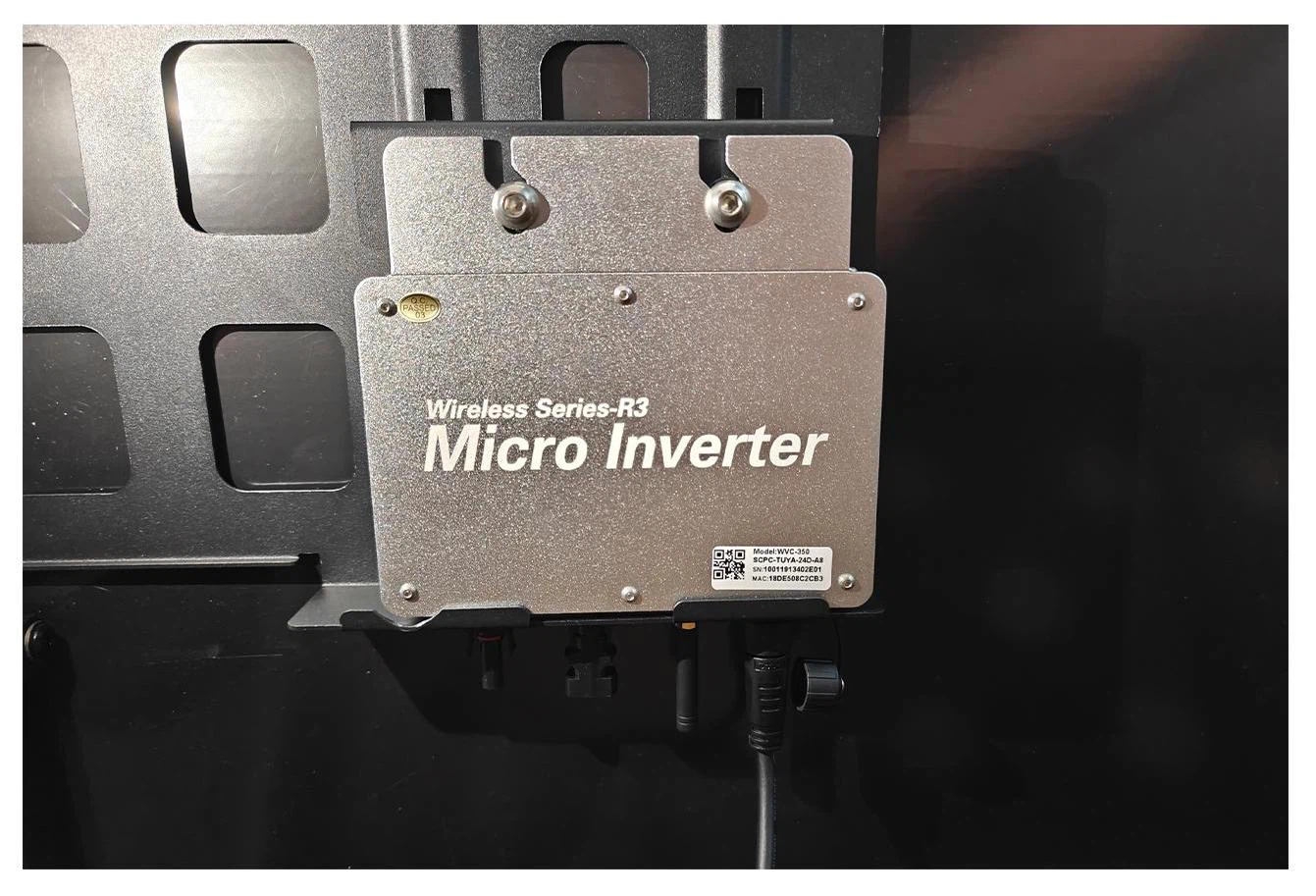
EVT400
|
|
Input
|
|
|
Input Power Range
|
180-550W
|
|
Operating Range
|
16-60V
|
|
Input Current
|
14A |
|
Output Data
|
|
|
Normal Voltage
|
220/230V
|
|
Frequency
|
50/60Hz
|
|
Power
|
400W |
| Others | |
|
Efficiency
|
96.8%
|
|
Communication
|
PLCC
|
|
Warranty
|
15 years |
|
IP
|
IP67
|
|
Temperature
|
- 40 to 65℃
|
|
Weight
|
1.8kg
|
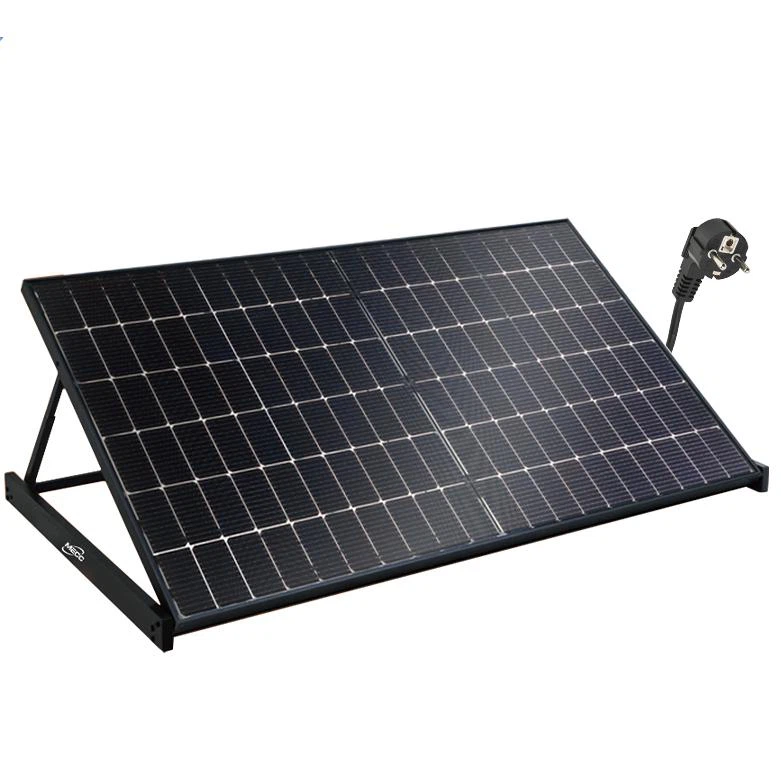






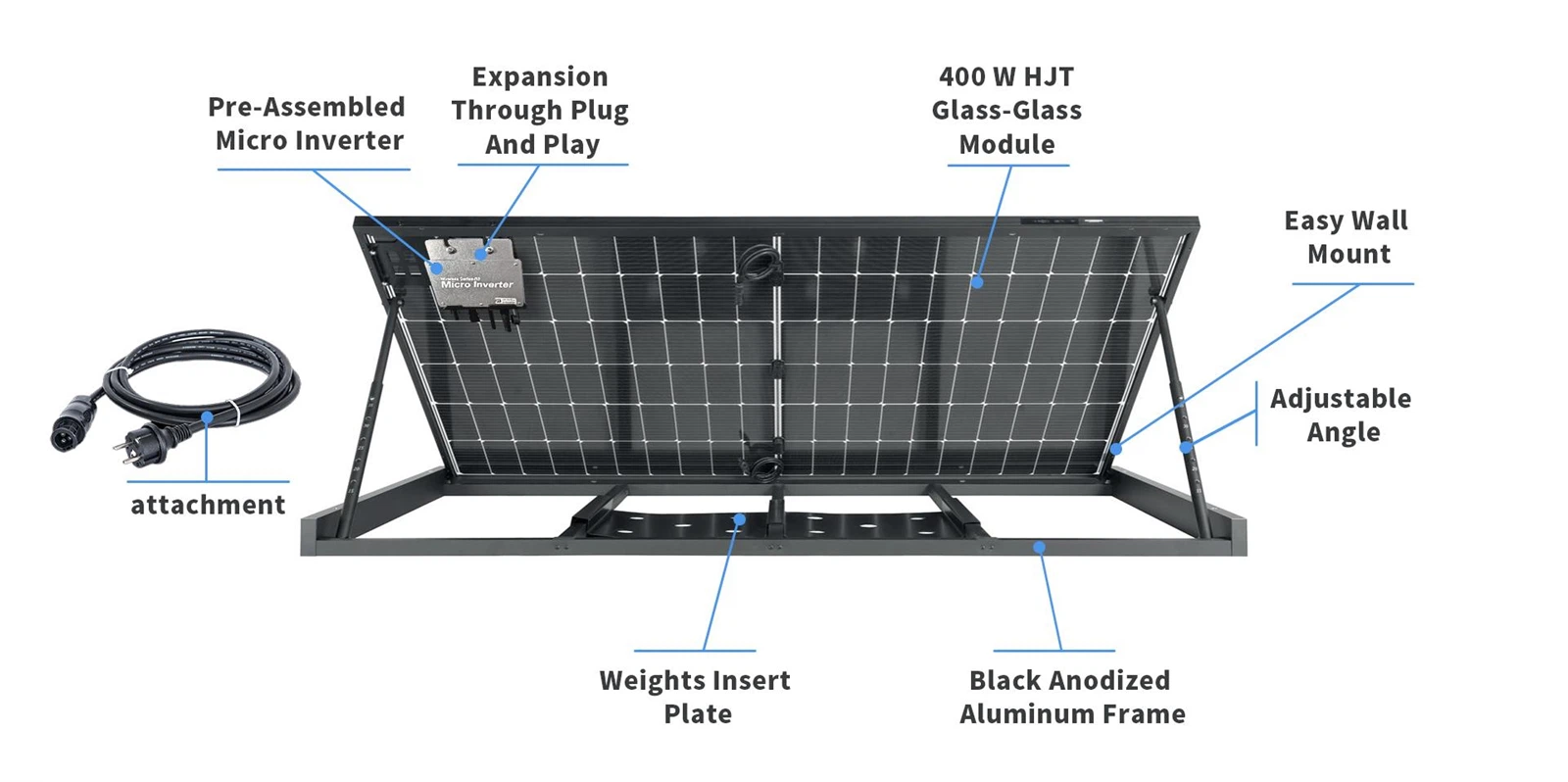


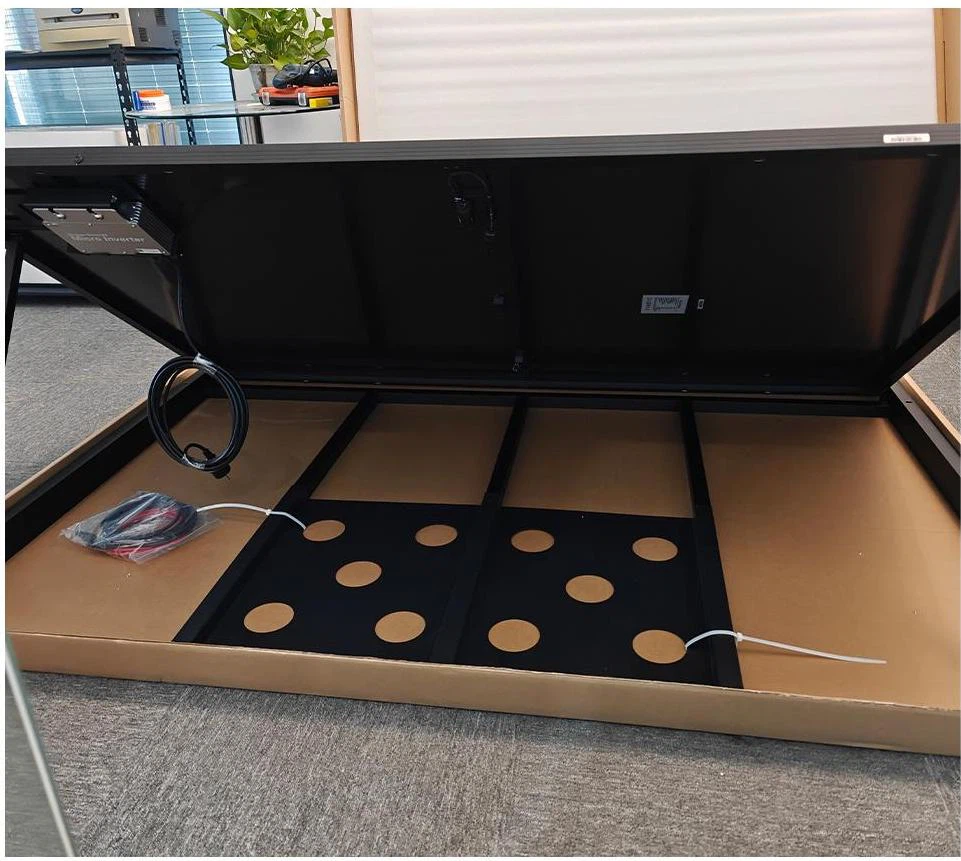







Factory
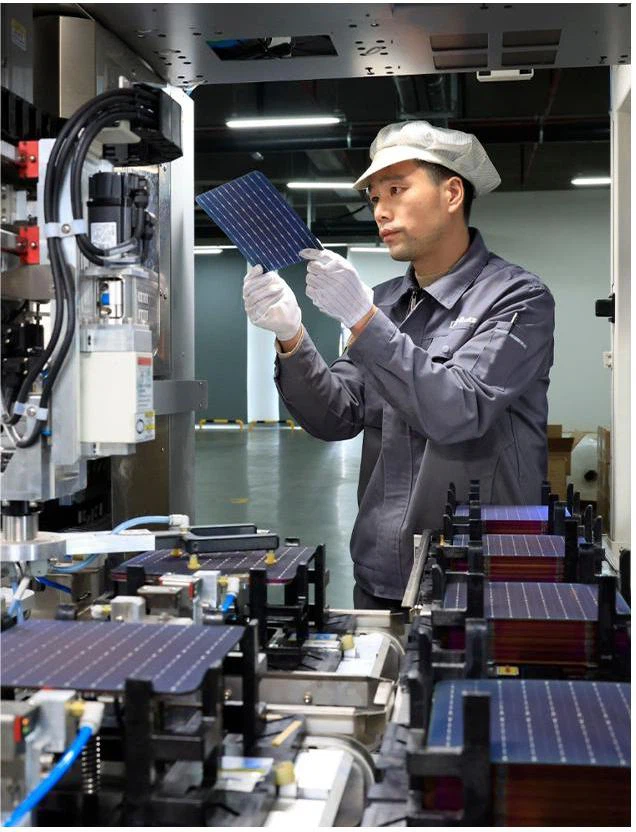
Lean Manufacturing Principles
We adhere to lean manufacturing principles to eliminate waste and improve efficiency. Our production teams continuously identify and eliminate non-value-added activities, such as excessive inventory, overproduction, and unnecessary movement of materials. We use value stream mapping to analyze and optimize the flow of production, from raw material intake to finished product delivery. Through the implementation of lean manufacturing, we have achieved significant reductions in production costs, lead times, and quality defects.
FAQ
Can I use this product with an electric vehicle charger?
If it has sufficient capacity and the right type of inverter, it can potentially be used with an electric vehicle charger. However, it's important to consider the power requirements of the charger and ensure that the system can handle the additional load without overloading. Some systems may need to be upgraded or have specific configurations to support simultaneous use with an EV charger.
How does the system handle partial shading?
Systems with micro-inverters or power optimizers can handle partial shading more effectively. When a panel is shaded, these components can adjust the operation of the shaded panel independently, minimizing the impact on the overall system performance. In contrast, a traditional string inverter system may experience a more significant reduction in power output when one or more panels are shaded.
Hot Tags: 410w balcony solar panel system, China 410w balcony solar panel system manufacturers, suppliers


