




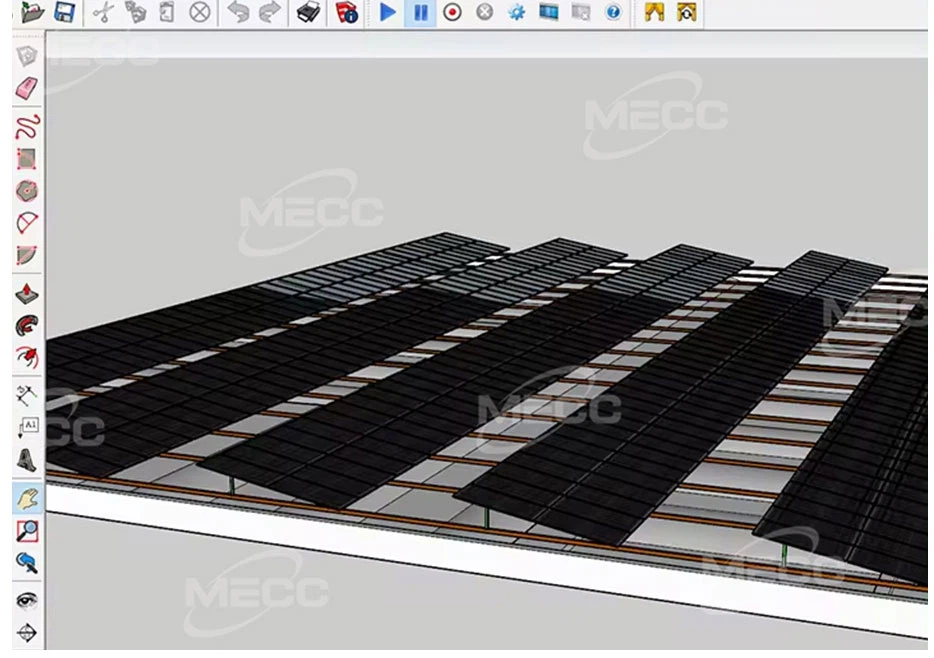
















TOPCON N Type Bifacial Solar Panel:
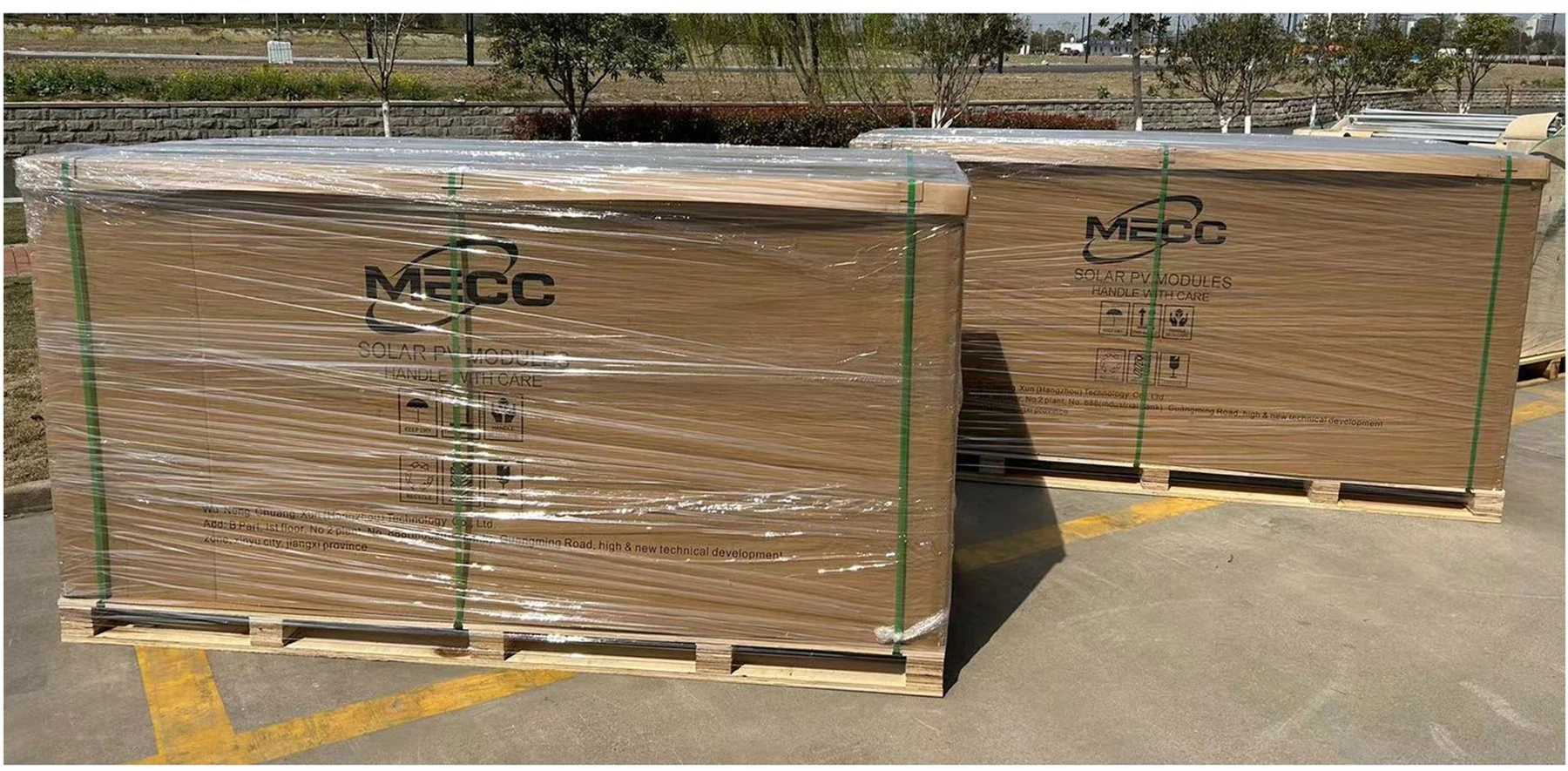
Power : 590 W-710W
Power tolerance : 0 to +5 W
Warranty : 30 years
CE/TUV/ISO/intertek
Inverter power : 3-30 kW
Output : Single phase 220/230V Split Phase 120/240V
IP21 Warranty : 2 years
IP65 Warranty : 5 years
CE/TUV/EN-50549
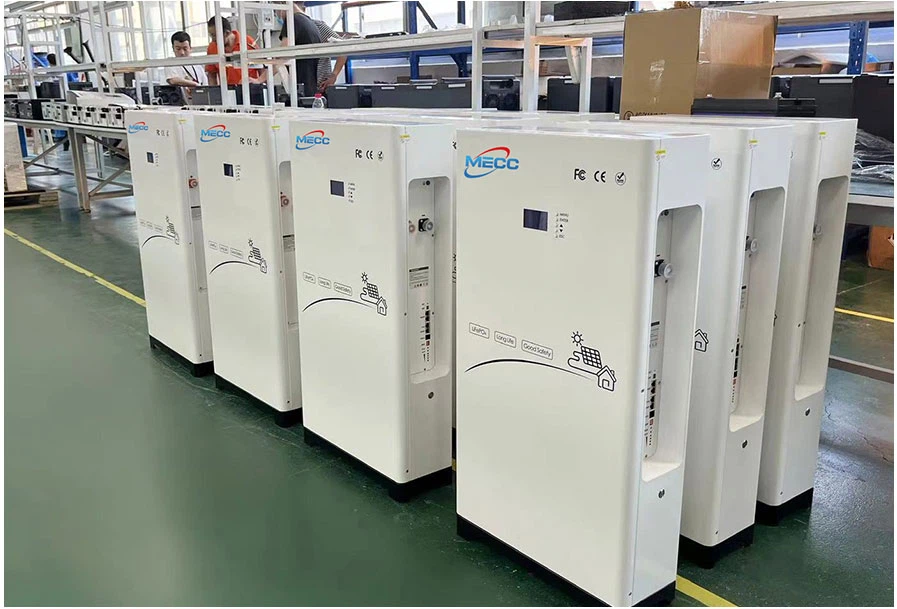
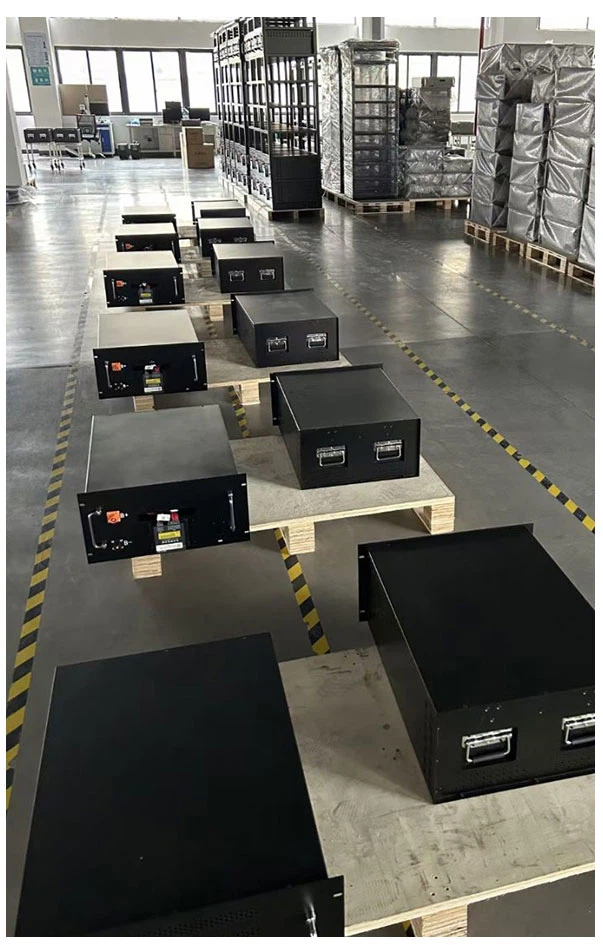
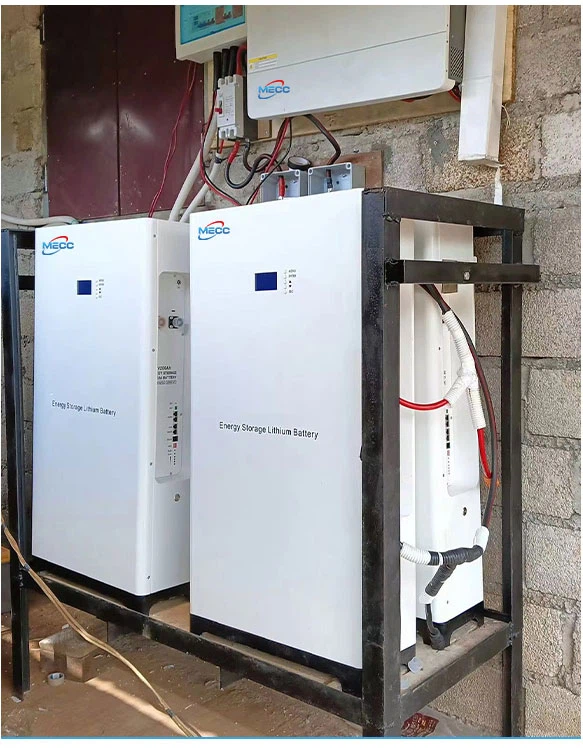
LiFePO4 Battery Power : 5-60 KWH (0.5C)
Battery Voltage : 48/51.2V 100-314AH
Cycle times :6000+
Warranty : 5 years
CE/MSDS/UN38.3
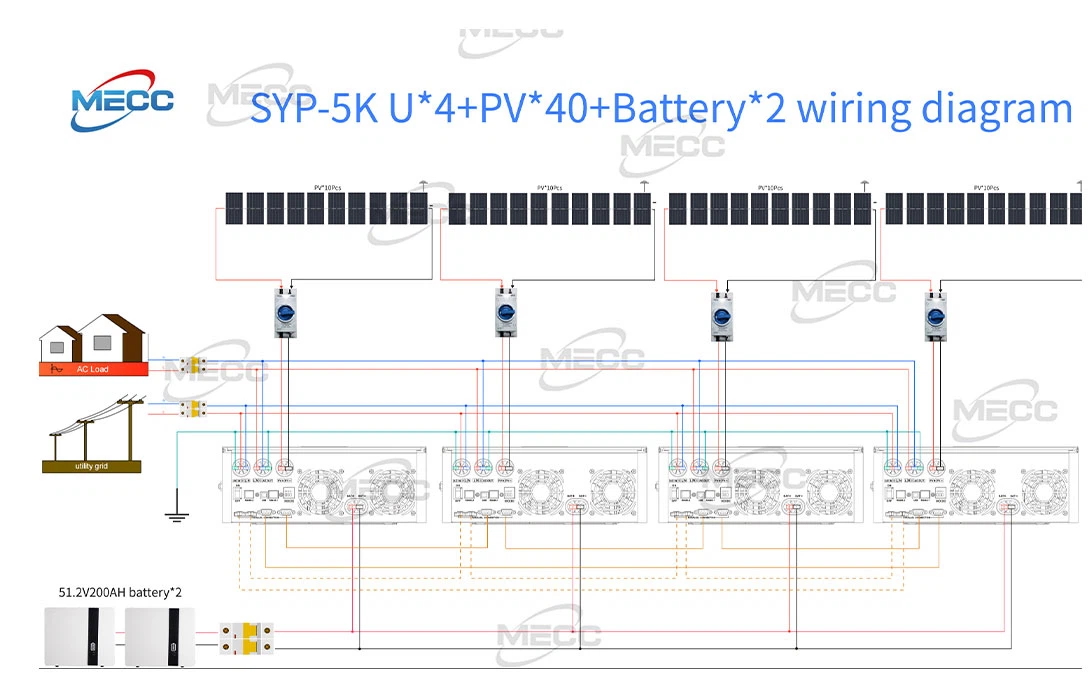
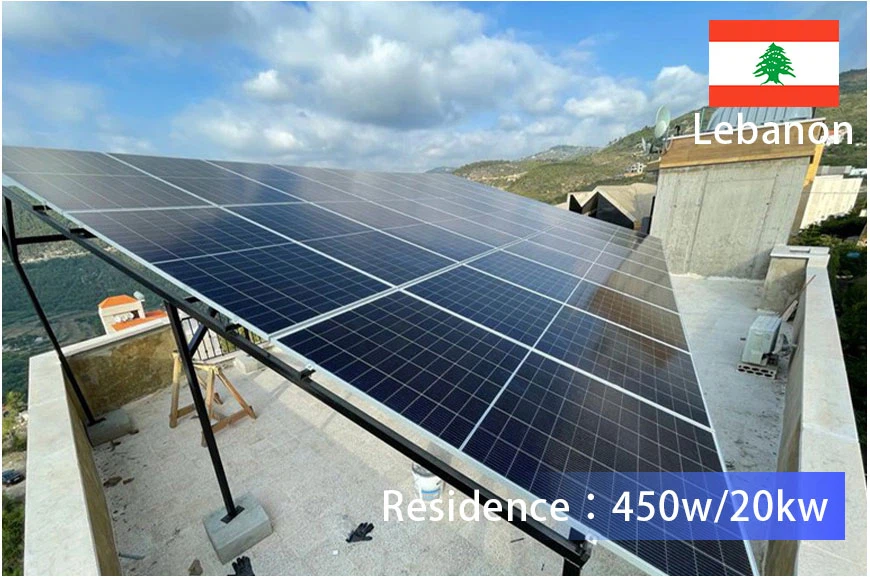
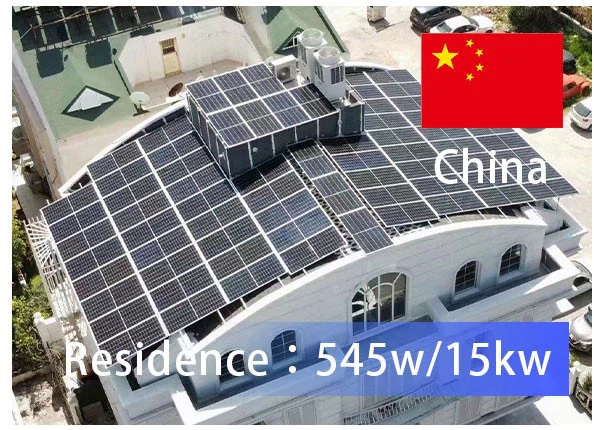
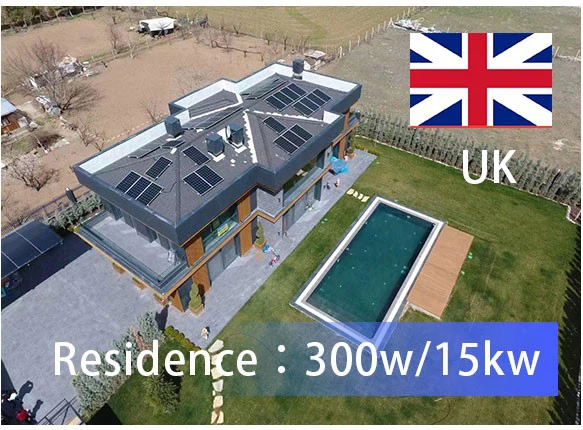
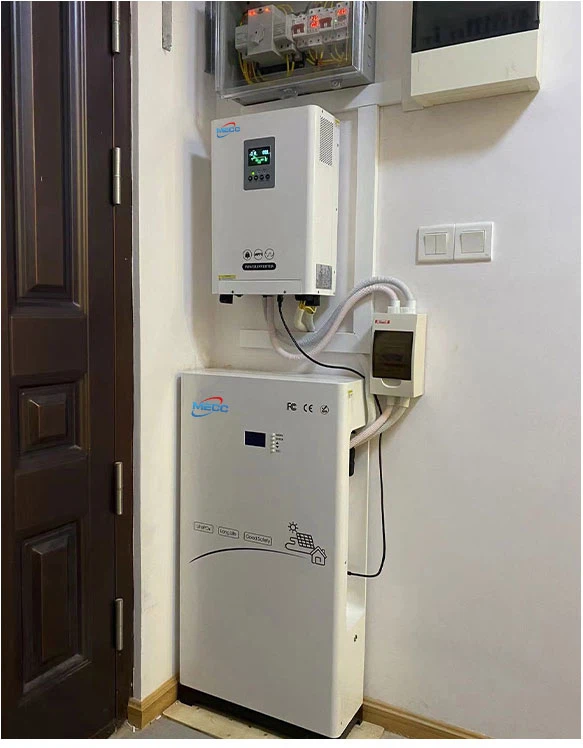
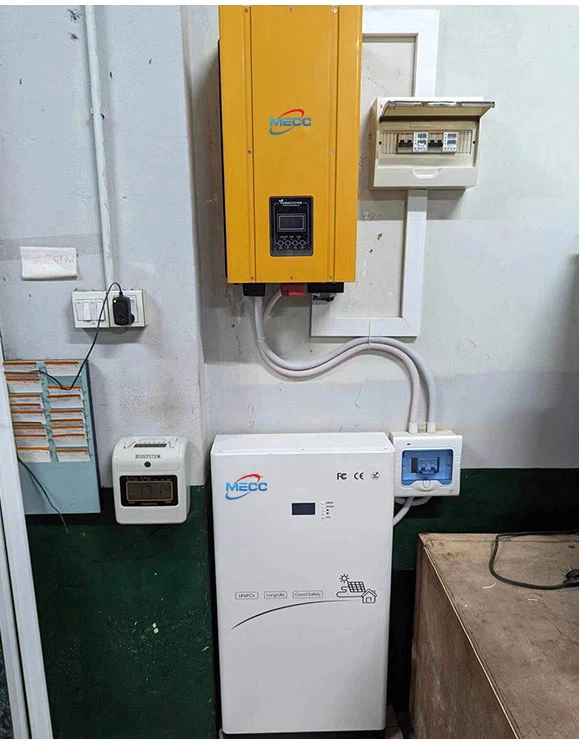
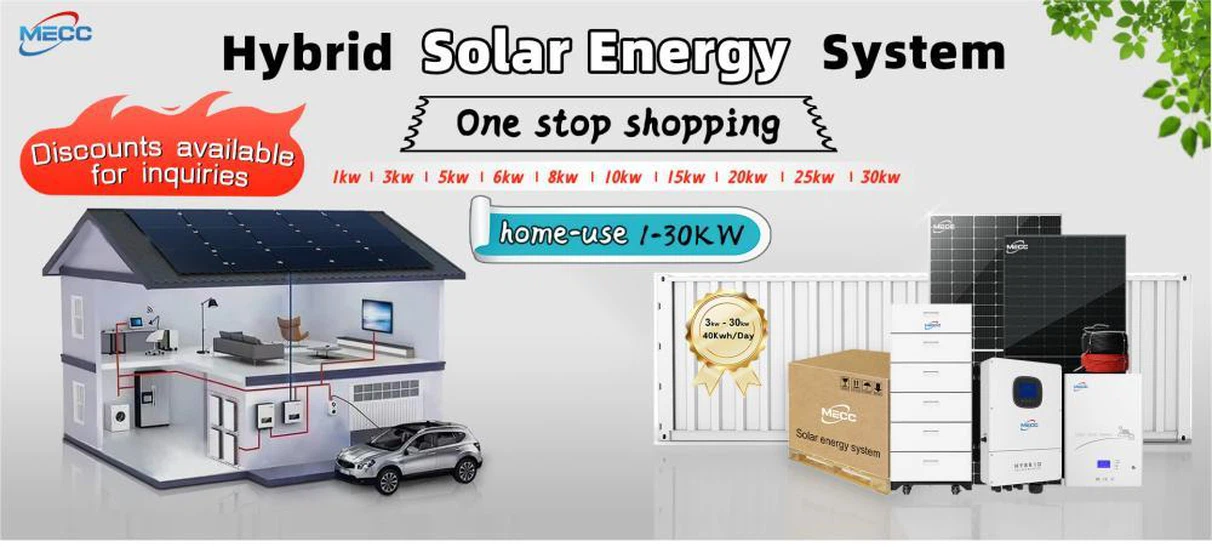
System Components & Integration: A typical hybrid PV system includes solar PV panels (ranging from 3kW to 20kW, depending on energy demands) to capture sunlight, a hybrid inverter that acts as the central hub-managing power flow between the solar array, battery storage, and the grid-and a lithium-ion battery (5kWh to 50kWh, often LiFePO4 for safety and longevity) with an integrated BMS (Battery Management System) for efficient storage. It also features a bidirectional meter for grid interaction, enabling net metering (exporting excess solar to the grid for credits) and automatic switching between power sources. During daylight hours, solar energy directly powers the property, with surplus stored in the battery; after sunset or in low light, the battery discharges, and the grid supplements when storage is depleted. Modular by design, it allows easy expansion-adding more panels, upgrading the battery, or integrating generators-to scale with growing energy needs.
Performance & Energy Management: The system's performance varies by size, with a 5kW setup generating 20–25kWh/day in sunny regions, and larger 10kW+ systems producing 40–50kWh/day, enough to cover most homes or small businesses. The hybrid inverter optimizes energy use by prioritizing solar for real-time consumption, storing excess in the battery, and minimizing grid reliance. During outages, it switches to backup mode, using stored battery power to keep essential appliances (fridges, lights, HVAC) running. Smart features like app-based monitoring, energy scheduling, and load management let users track consumption, adjust settings, and maximize self-consumption-reducing electricity bills by 60–90% depending on system size.
Durability & Compatibility: Solar panels are built to withstand harsh weather (hail, high winds, extreme temperatures) with 25–30 year performance warranties, while lithium batteries offer 5,000+ cycles (12–15 years) and IP65-rated protection against dust and moisture. Hybrid inverters are compatible with various battery chemistries (LiFePO4, NMC) and global grid standards, making them easy to integrate into existing electrical systems or new builds. They also support generator connectivity for extended outages, ensuring power security in remote areas or during prolonged grid failures. Low maintenance-occasional panel cleaning and battery health checks-ensures long-term reliability.
Cost & Sustainability: Upfront costs depend on system size (ranging from $10,000 to $50,000), but payback periods typically fall between 5–10 years due to reduced utility bills and net metering credits. By relying on solar power, hybrid PV systems cut carbon emissions significantly-3–7 tons annually for residential setups-aligning with eco-friendly goals. Their scalability ensures they remain cost-effective as energy demands grow (e.g., adding EV chargers or expanding a business), making them a smart long-term investment for both residential and commercial use.
FAQ
Can solar-powered transportation be integrated with existing public transit?
Absolutely. Solar-powered buses can be added to existing bus fleets, reducing operating costs and emissions. Some transit systems are installing solar panels on bus shelters and depots to generate electricity for lighting, ticketing machines, and even to partially charge the buses. In addition, solar-powered trams and trains can be incorporated into rail networks. For example, light rail systems in urban areas can use solar energy to power onboard systems during the day and feed excess electricity back into the grid when stationary. This integration not only makes public transit more sustainable but also showcases the potential of solar power to the public, encouraging wider adoption in other transportation sectors.
Hot Tags: hybrid pv solar systems, China hybrid pv solar systems manufacturers, suppliers
Send Inquiry


