


BMS-Equipped 12.8V LiFePO4 Battery Pack 200Ah
200Ah Capacity & 12.8V Performance
Energy Output: Operates at 12.8V nominal (range: 10.8V–14.6V) with 200Ah capacity, totaling 2.56kWh of usable energy. This is sufficient to power:
A 200W appliance (e.g., small fridge) for 12.8 hours.
12V DC devices (LED lights, water pumps) for 100+ hours.
A 500W inverter (for laptops, TVs) for ~5 hours.
Stable Voltage Delivery: Maintains consistent output under load, avoiding drops that can damage sensitive electronics-critical for modern devices and solar system integration.
Integrated BMS: Safety & Optimization
Comprehensive Protection: The built-in BMS acts as a safeguard, featuring:
Overcharge/Over-Discharge Protection: Shuts down charging at 14.6V and discharge below 10.8V to prevent cell damage.
Overcurrent & Short Circuit Protection: Limits continuous discharge to 100A (200A peak) and instantly cuts power during short circuits, reducing fire risks.
Temperature Regulation: Operates safely in -20°C to 60°C, with thermal shutdowns to avoid overheating in extreme conditions.
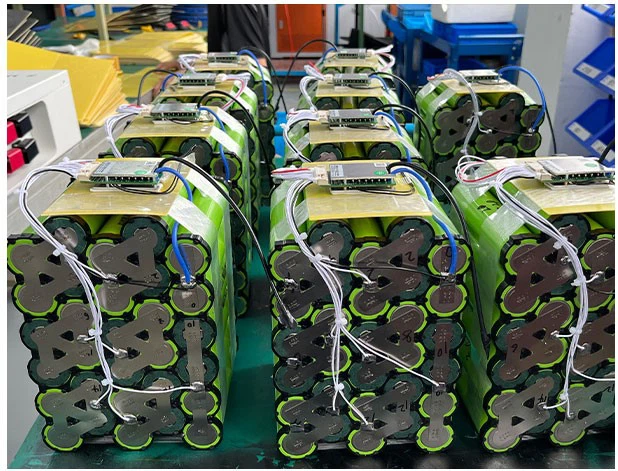
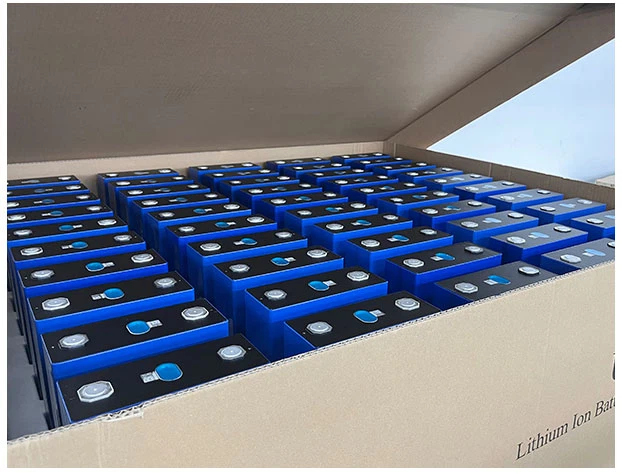
Active Cell Balancing: Ensures uniform voltage across 4 series LiFePO4 cells (3.2V each), maximizing capacity and preventing uneven degradation-key to extending lifespan.
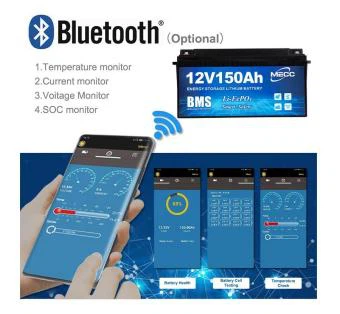
State of Charge (SOC) Tracking: Provides real-time SOC data via LED indicators or optional LCD display, eliminating guesswork about remaining power.
| Voltage | 12V/24V |
| Capacity | 100/200Ah |
| Cycle Life | >3000 cycles |
| Efficiency of Charge | 100% @0.5C |
| Efficiency of Discharge | 96~99% @1C |
| Charge Voltage | 14.6±0.2V |
| Charge Current | 60A |
| IP Class | IP65 |















FAQ
Q: What is the biomolecular sensor in the design and how does it work?
A: The biomolecular sensor is designed to detect specific biomolecules, such as proteins, DNA, or hormones. It typically consists of a recognition element that binds specifically to the target biomolecule. This recognition element could be an antibody, an aptamer, or a nucleic acid probe. When the target biomolecule comes into contact with the recognition element, a signal is generated. The signal can be optical, electrical, or electrochemical. For example, in an optical biomolecular sensor, if an antibody binds to a protein antigen, a fluorescent dye attached to the antibody may emit light. In an electrochemical biomolecular sensor, the binding event may cause a change in current or voltage.
Hot Tags: bms 12.8v lithium battery pack 200ah, China bms 12.8v lithium battery pack 200ah manufacturers, suppliers, lithium sulphur battery, cheapest lithium golf cart batteries, portable lithium battery pack, lithium battery 12v 100ah, bluetooth lithium battery, cheapest lithium batteries for solar


