


They are storming the automotive scene. These high-energy-density batteries are becoming the go-to choice for electric and hybrid vehicles. Their ability to store more energy per unit volume translates into extended driving ranges, allowing drivers to explore further without range anxiety. Coupled with reliable performance during acceleration and braking, they are redefining the driving experience and accelerating the shift towards sustainable transportation.
They are produced with a biodegradable binder for electrode materials. As part of the push towards sustainability, the binder used in electrodes breaks down naturally over time. This reduces waste at the end of their life cycle. In applications where disposability is a concern, like single-use medical sensors, it offers an eco-friendly solution. After use, instead of contributing to landfill waste, the electrodes with biodegradable binders can decompose harmlessly. This is not only beneficial for the environment but also aligns with the growing demand for more sustainable medical and consumer products. In environmental monitoring sensors deployed in remote areas, the biodegradable nature of the binder ensures that they leave no lasting ecological footprint.
It's a dynamo of progress in the energy sector. Specializing in high-performance power cells for aerospace applications, it's reaching for the stars. The facility is a fortress of security and precision. Access is restricted, with only authorized personnel allowed in sensitive areas. Here, they produce power cells with radiation-resistant materials, ensuring reliable operation in space. The electrodes are coated with a special ceramic layer, enhancing thermal stability and protecting against cosmic rays. The assembly process is a slow and meticulous one, with each cell undergoing dozens of quality checks. Once completed, the power cells are put through simulated space conditions, from vacuum exposure to temperature swings, to prove their mettle.
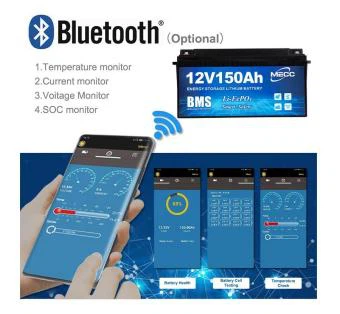
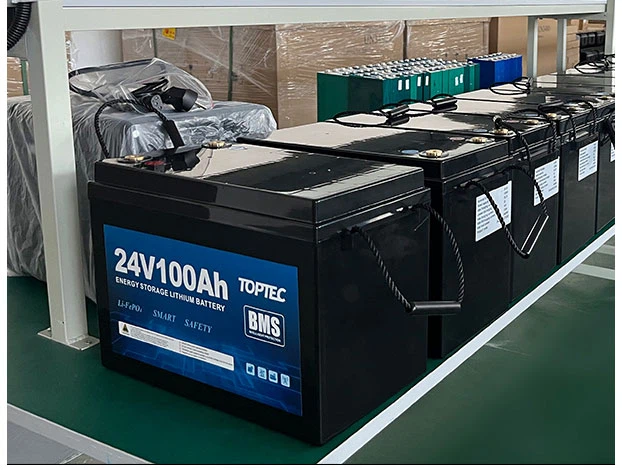
| Voltage | 12V/24V |
| Capacity | 100/200Ah |
| Cycle Life | >3000 cycles |
| Efficiency of Charge | 100% @0.5C |
| Efficiency of Discharge | 96~99% @1C |
| Charge Voltage | 14.6±0.2V |
| Charge Current | 60A |
| IP Class | IP65 |















FAQ
Q: How does the pulse charging technology work?
A: During charging, the pulse charging technology employs a pulsed current instead of a traditional constant current. The pulsed current is carefully designed with specific frequency and amplitude characteristics. When applied to the device, it stimulates the electrochemical reactions in a more efficient manner. The intermittent nature of the pulses allows for better diffusion of ions within the electrode materials. For instance, during the off-phase of the pulse, ions have time to redistribute evenly, preventing concentration gradients that could lead to reduced performance. This leads to faster charging times as the electrochemical reactions can occur more rapidly. Additionally, the pulsing helps to reduce the formation of harmful deposits on the electrodes. In a lithium-ion battery, for example, continuous charging with a constant current can cause lithium plating, which degrades the battery over time. The pulse charging technology mitigates this issue, prolonging the lifespan of the battery and ensuring more reliable performance in the long run.
Hot Tags: 12v lifepo4 battery pack 20ah, China 12v lifepo4 battery pack 20ah manufacturers, suppliers, boat lithium battery, 3 7 v 18650 lithium battery, lithium battery for camping, 9v lithium rechargeable battery 1200mah, cr p2 6v lithium battery, lithium iron phosphate car battery


