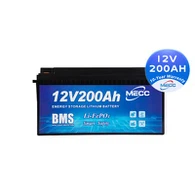
They are being used in electric forklifts. These high-performance batteries provide longer operating hours and faster charging times for forklifts. Their improved performance translates into increased productivity in warehouses and factories. Workers can complete more tasks without having to wait for the forklift to recharge as frequently. In a large distribution center, electric forklifts equipped with these batteries can handle more shipments in a shorter time, streamlining operations and reducing costs associated with downtime and battery replacement.
They are produced using a electrophoretic deposition and sintering process for ceramic coatings. First, electrophoretic deposition is used to apply a uniform layer of ceramic particles onto a substrate. Then, sintering is carried out to fuse the particles together, forming a dense and durable coating. This process is beneficial for enhancing the corrosion resistance and wear resistance of metal surfaces. In the marine industry, it's applied to ship hulls, propellers, and other underwater equipment to protect against saltwater corrosion. In the manufacturing of cutting tools, the ceramic coating can improve the tool's hardness and cutting life. The combination of electrophoretic deposition and sintering allows for precise control of the coating thickness and quality, meeting the specific requirements of different applications.
It's a titan of progress in the power storage for grid frequency regulation. This establishment manufactures high-power, rapid-response energy storage systems. These are crucial for maintaining the stability of the electrical grid by quickly injecting or absorbing power to counteract frequency fluctuations. The manufacturing process combines cutting-edge power electronics with advanced battery chemistries. The systems are designed with intelligent control algorithms that can detect minute changes in grid frequency and respond within milliseconds. In a large-scale power grid, they act as a buffer, preventing blackouts and ensuring a seamless supply of electricity to homes, businesses, and industries. The facility's testing lab replicates grid scenarios, stress-testing the systems to guarantee their reliability under extreme conditions.
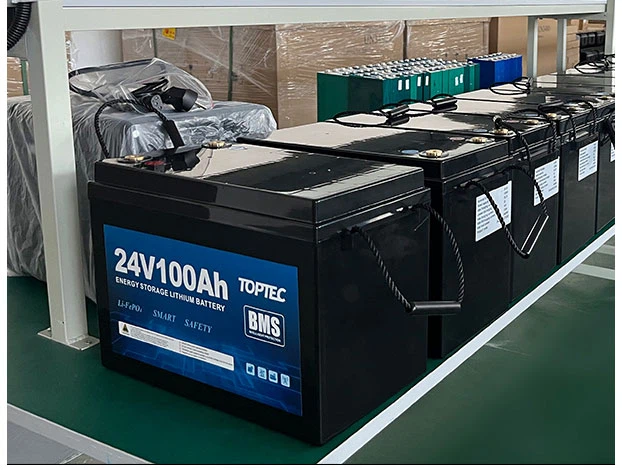
| Voltage | 12V/24V |
| Capacity | 100/200Ah |
| Cycle Life | >3000 cycles |
| Efficiency of Charge | 100% @0.5C |
| Efficiency of Discharge | 96~99% @1C |
| Charge Voltage | 14.6±0.2V |
| Charge Current | 60A |
| IP Class | IP65 |















FAQ
Q: How does the electrochemical etching process for creating nanostructures work?
A: The electrochemical etching process is used to create nanostructures. A substrate, usually a metal or semiconductor, is immersed in an electrolyte solution. An electric current is passed through the system, with the substrate acting as an anode. The electrochemical reactions that occur cause the material on the surface of the substrate to be etched away. By carefully controlling the current density, etching time, and electrolyte composition, precise nanostructures can be formed. In the semiconductor industry, it can be used to create nanoscale trenches and holes for transistor fabrication. In the production of nanostructured sensors, it can create surfaces with enhanced sensitivity. In the field of energy storage, it can be used to etch electrodes to increase their surface area, improving the electrochemical performance of batteries and capacitors.
Hot Tags: 12.8v 300ah lifepo4 battery pack bms, China 12.8v 300ah lifepo4 battery pack bms manufacturers, suppliers, 14 4 v lithium ion battery, lithium motorcycle battery, 12v 20ah battery lithium, LiFePO4 Battery Pack, 300 amp lithium battery, lithium ion battery in checked luggage