

They have excellent charge acceptance. These advanced batteries can quickly absorb electrical charge, even at high rates. This is useful for fast-charging applications like electric buses, where short stopovers require rapid replenishment of battery power. In a busy urban transit system, electric buses can recharge during a brief layover at a bus stop, reducing downtime and increasing vehicle availability. This efficient charge acceptance also helps to optimize the overall operation of the transit network, making it more sustainable and convenient for commuters.
They are produced using a precision forging process for metal components. In this method, a billet of metal is heated and then precisely shaped under high pressure in a forging die. The process imparts superior mechanical properties to the component, such as enhanced strength, toughness, and fatigue resistance. In the automotive industry, it's widely used to manufacture critical parts like crankshafts, connecting rods, and axle shafts. The fine-grained structure resulting from precision forging provides better performance and reliability compared to components made by other methods. For example, a forged crankshaft can withstand the extreme forces and vibrations generated in an engine, ensuring smooth operation and a longer lifespan. In the aerospace sector, it's employed to create high-strength components for aircraft engines and landing gear, where safety and durability are paramount.
It's a vanguard of energy storage for electric aircraft. This establishment produces lightweight and high-energy-density power systems that can power electric planes. The manufacturing process is a feat of aerospace engineering and energy technology. They use advanced materials like carbon fiber composites and lithium-sulfur batteries. The power systems are designed to meet the strict weight and safety requirements of aviation. The facility has an electric aircraft testing lab where the power systems are tested for their performance and reliability under flight conditions. This enables the development of electric aircraft as a sustainable alternative to traditional aviation.
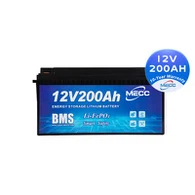
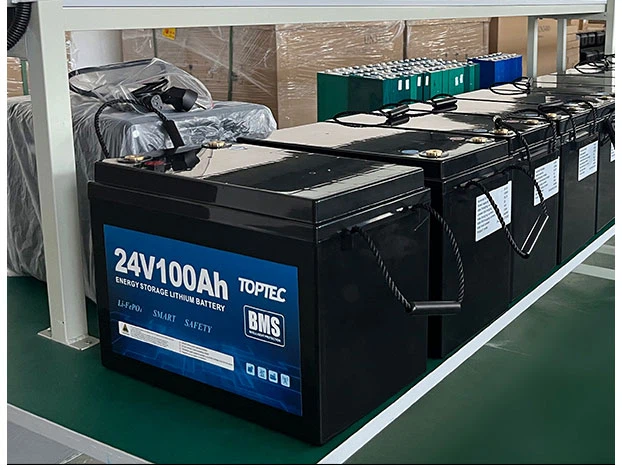
| Voltage | 12V/24V |
| Capacity | 100/200Ah |
| Cycle Life | >3000 cycles |
| Efficiency of Charge | 100% @0.5C |
| Efficiency of Discharge | 96~99% @1C |
| Charge Voltage | 14.6±0.2V |
| Charge Current | 60A |
| IP Class | IP65 |















FAQ
Q: How does the freeze-drying process for preserving materials work?
A: The freeze-drying process, also known as lyophilization, is a method for preserving materials. It starts with freezing the material to be preserved. This can be done in a variety of ways, such as immersion in a cryogenic liquid or using a freezer. Once frozen, the pressure is reduced in a vacuum chamber. The reduced pressure causes the ice in the material to sublime, which means it changes directly from a solid to a gaseous state without passing through the liquid phase. This process removes water from the material while minimizing damage to its structure. In the pharmaceutical industry, it's used to preserve drugs, vaccines, and other biologics. The freeze-dried products have a longer shelf life and can be easily reconstituted when needed. In the food industry, it can be used to preserve coffee, fruits, and other perishable items. In the production of cosmetics, it can preserve active ingredients, ensuring their effectiveness over time.
Hot Tags: 12.8v 100ah lifepo4 battery pack bms, China 12.8v 100ah lifepo4 battery pack bms manufacturers, suppliers, 18v lithium battery, cr2430 lithium battery, 3 7 v lithium battery 18650, Golf Cart Lithium Ion Battery Pack, cr p2 6v lithium battery, slim lithium battery