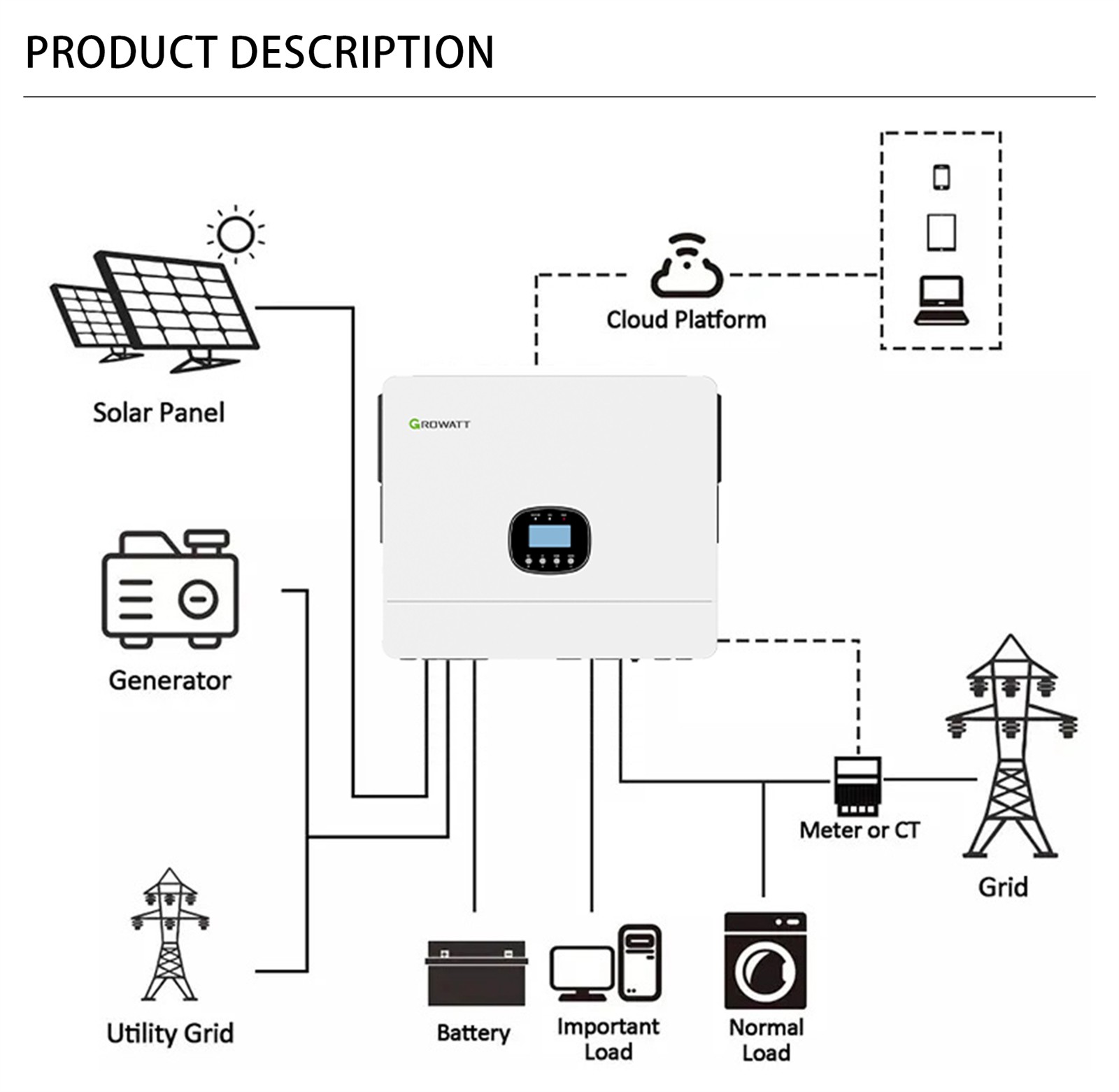

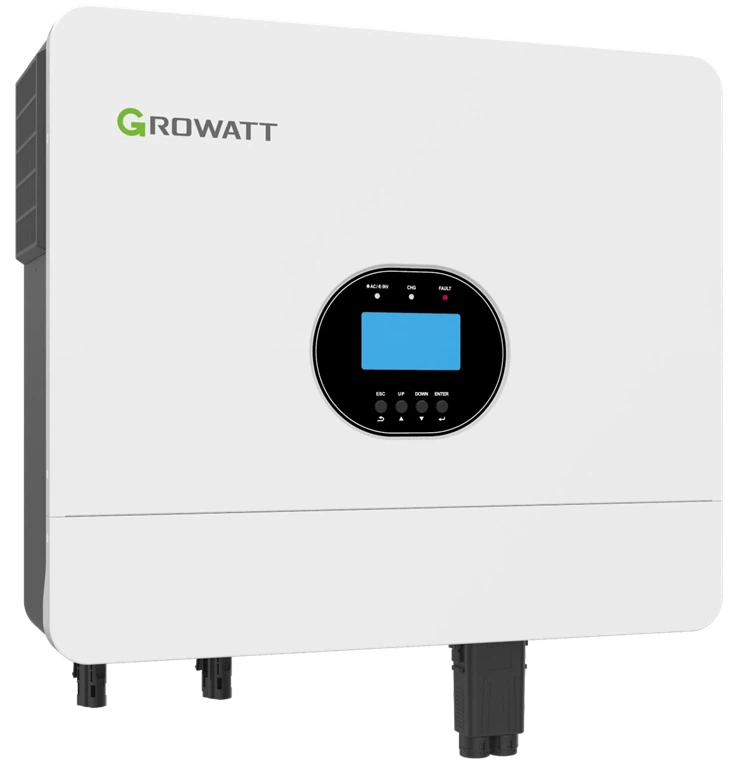
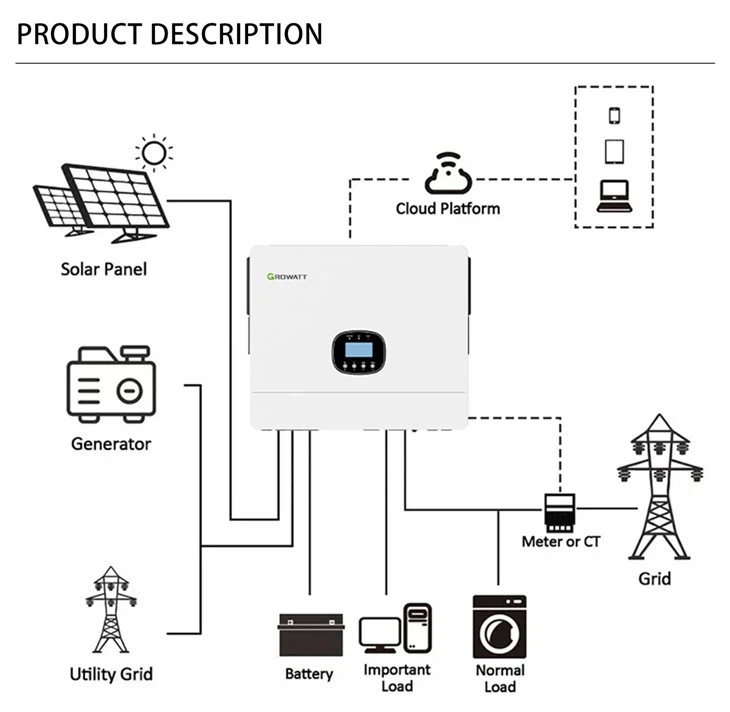

When it comes to standby power consumption, it is highly optimized to be energy-efficient. It draws only a minimal amount of power when in standby mode, patiently waiting for a power outage or during periods of low power demand. This is particularly significant in off-grid and backup power applications. In a solar-powered home, for example, every watt of stored energy is precious. By consuming very little power while idle, it conserves battery energy, allowing for longer periods of autonomy. Instead of draining the batteries unnecessarily, it ensures that they can provide power when it's truly needed, such as during a long night or a cloudy day when solar generation is limited. This optimization of standby power consumption maximizes the efficiency of your energy storage system and extends the overall runtime of your power supply.
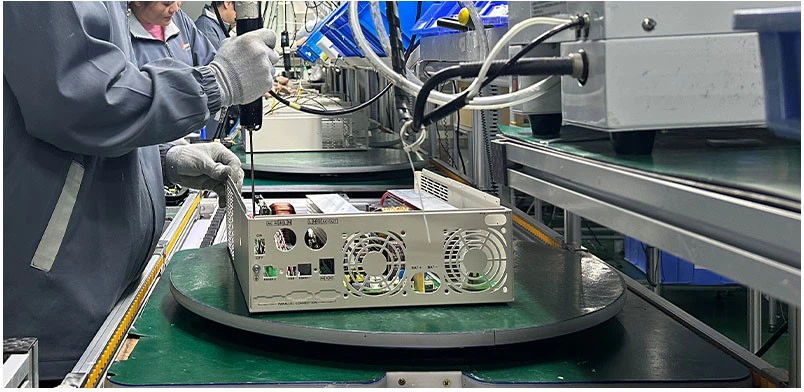
Testing and Calibration Equipment Setup: Before the final assembly, comprehensive testing and calibration setups are prepared. Precision power analyzers, oscilloscopes, and multimeters are used to measure key parameters such as voltage, current, power factor, and frequency. These instruments are connected to the inverter under test, and automated test scripts are often run to ensure consistency and accuracy in the measurement process. Calibration is carried out to adjust the inverter's output to meet the specified tolerances, ensuring reliable performance in the field.
| Model |
SPF 6000 ES
|
|
Battery Voltage
|
48V
|
|
Battery Type
|
Lithium/Lead-acid
|
|
Rated Power
|
6000W
|
|
AC Voltage
|
230V 50/60Hz
|
|
Surge Power
|
12000VA
|
|
Efficiency
|
93%
|
|
MPPT
|
120V ~ 450V
|
|
Charge Current
|
80A
|
|
Protection
|
IP20
|