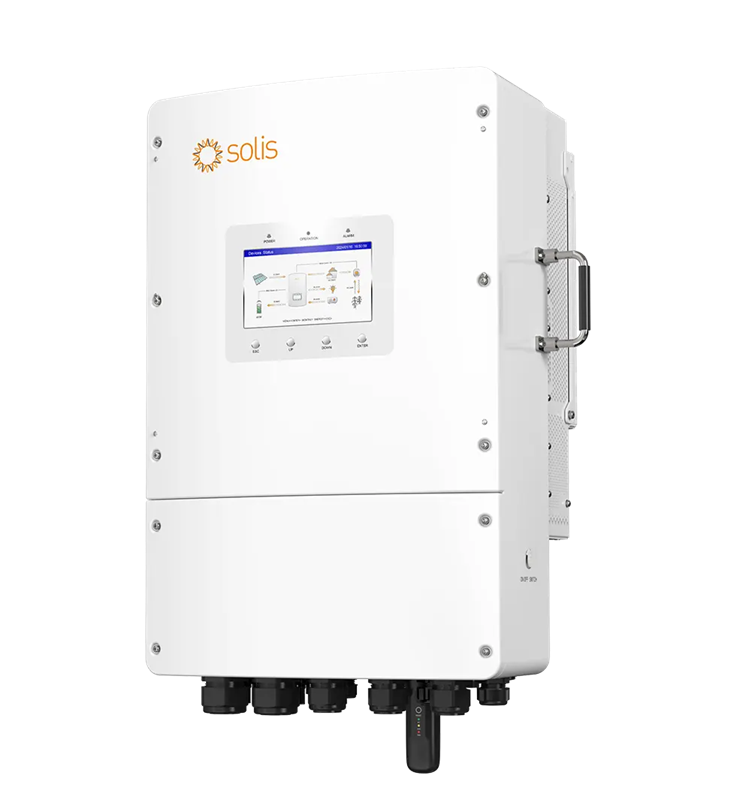

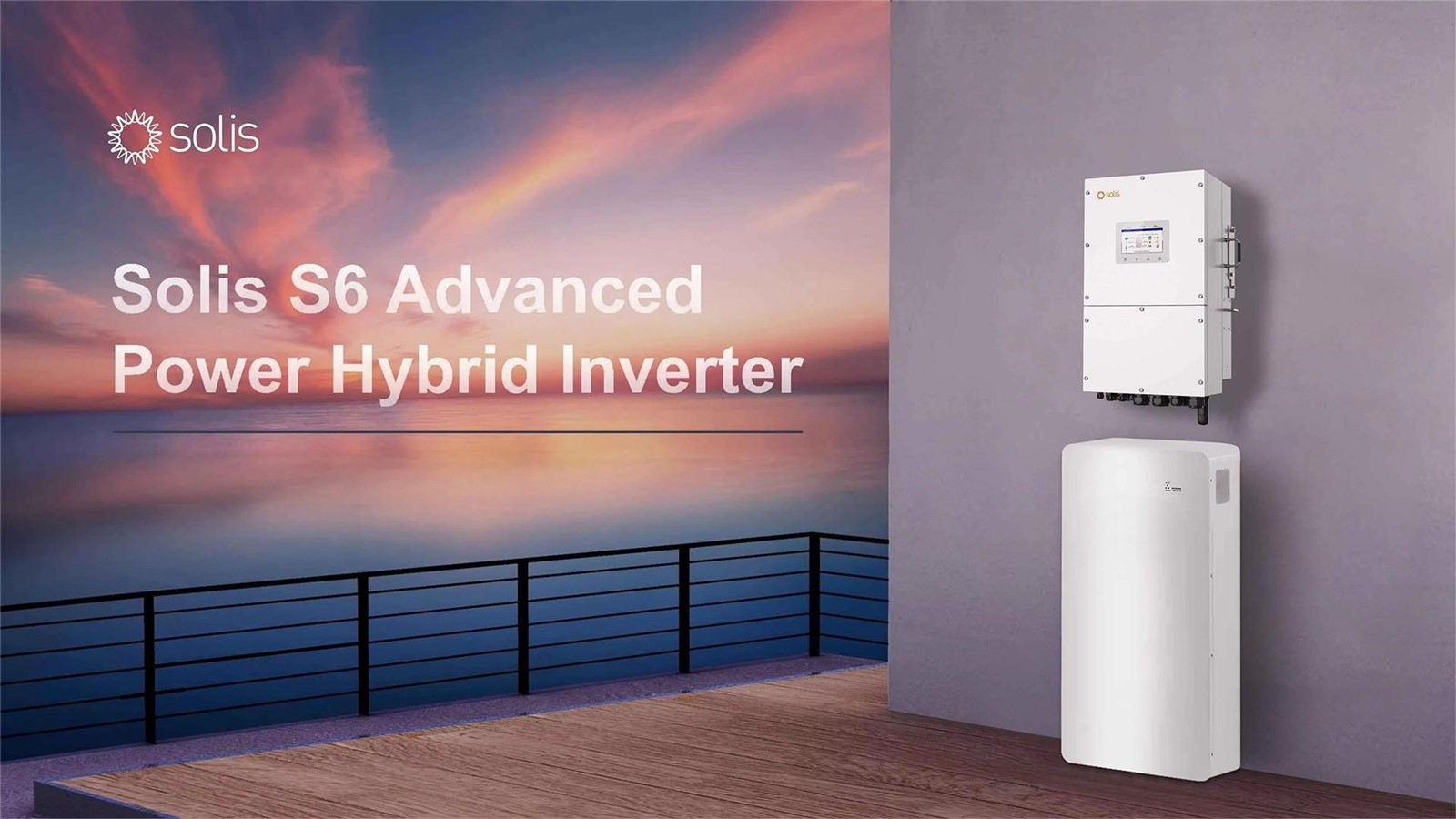
Choosing a hybrid inverter for your home means investing in a smarter, more sustainable energy solution. It allows you to harness solar energy efficiently, store it, and use it when needed. Hybrid inverters are particularly beneficial in areas with frequent power outages or high electricity costs. They also future-proof your home by supporting additional solar panels or batteries as your energy needs grow. With a hybrid inverter, you can take control of your energy consumption and reduce your carbon footprint.
Unlike traditional inverters, hybrid inverters can manage both solar power and battery storage, offering greater flexibility and efficiency. Traditional inverters only convert solar energy for immediate use or feed it back into the grid. Hybrid inverters, on the other hand, store excess energy for later use, providing backup power and reducing grid dependency. This dual functionality makes hybrid inverters a superior choice for modern energy systems.
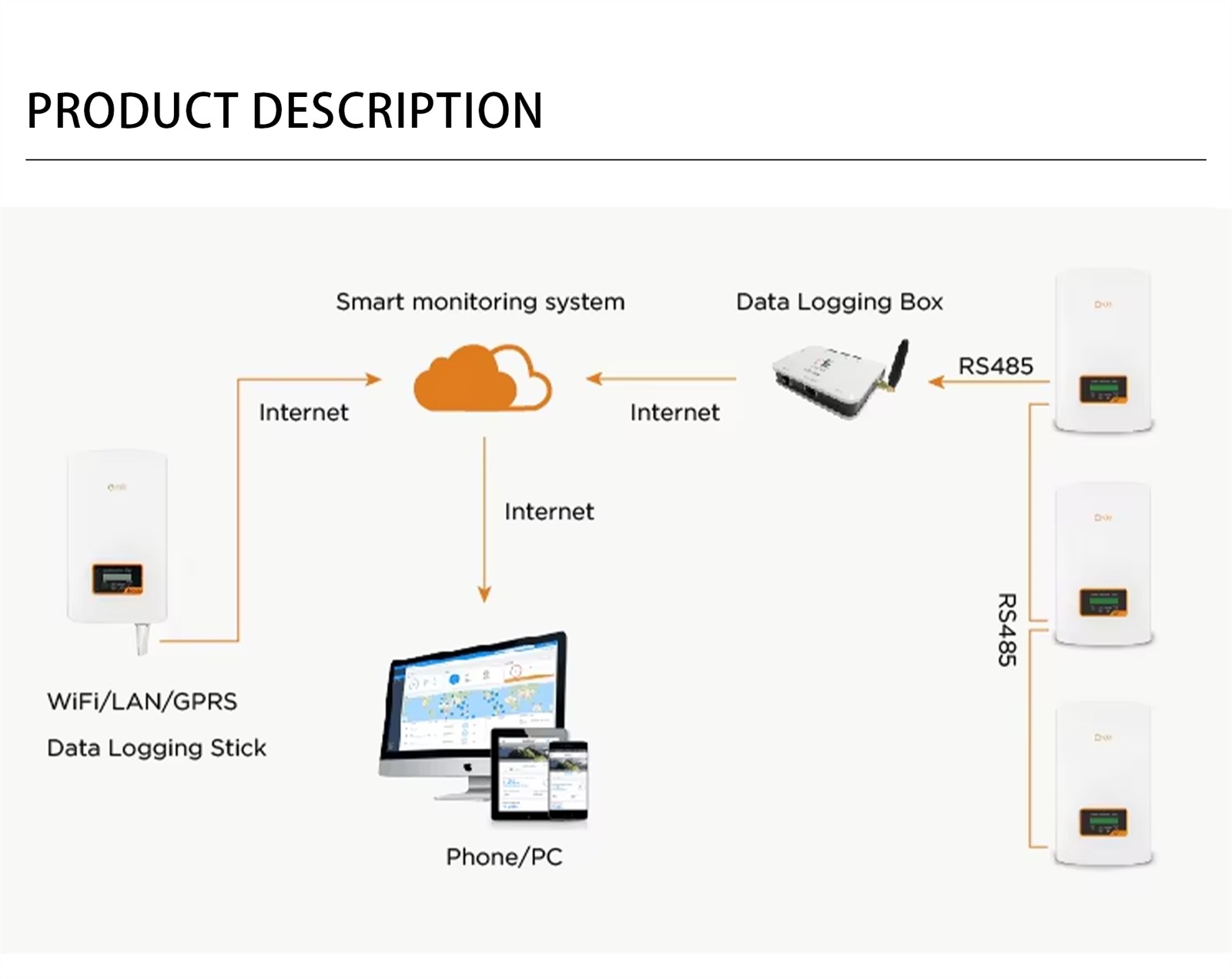
When selecting a hybrid inverter, consider features like high efficiency, battery compatibility, and smart energy management. Look for models with advanced monitoring systems that allow you to track energy production and consumption in real-time. Ensure the inverter supports your solar panel and battery specifications. Additionally, opt for inverters with grid-tie capabilities and backup power options for added versatility. Investing in a high-quality hybrid inverter ensures long-term reliability and performance.

|
Model |
S6-EH3P10K02-NV-YD-L |
Battery type |
Lead acid or lithium battery |
|
Mains mode |
Max. charge current | 220A | |
|
Nominal input voltage |
380/400V |
Charge voltage range |
40 –60Vdc |
|
Frequency |
50Hz/60Hz (Auto detection) |
Solar charge |
|
|
Max. efficiency |
97.6% |
PV operate voltage range |
200Vdc~800Vdc |
|
Inverter mode |
MPPT voltage range | 200Vdc~800Vdc | |
|
Output voltage waveform |
Pure sine wave |
Max. PV input power/current |
16000W/40A |
|
Nominal output power(VA)/(W) |
10000W |
Charge current range |
220A |
|
Nominal output voltage (Vac) |
380/400V |
Certification |
|
|
Peak power |
20000VA |
EMC certification level |
NRS 097-2-1, IEC 62116, IEC 61727, IEC 60068, IEC 61683, EN 50530 PEA\MEA, IEC/EN 62109-1/-2, IEC/EN 61000-6-1/-3 |
|
Protection |
IP66 |
Operate temperature range |
-40 to +60℃ |
|
Battery voltage range |
40.0Vdc~60Vdc |
communicate |
RS485/CAN |
|
Mains charge |
Humidity range | 5% to 95%(Conformal coating protection) | |

Comparison Of Protection Levels
IP66 VS IP65
Dustproofcapability: Dustproof capability:
Completely dust-proof, no particles enter Completely dust-proof, no particles enter
Waterproofcapability: Waterproofcapability:
Protect against strong water column impact, twice Protect against low pressure water column impact
the water proof capacity of IPx5
Absolute advantage:
Dust-proof , IP66 can withstand strong currents, use is wider inthe environment of strong
convective weather like typhoon, rainstorm frequent have stronger adapt ability