


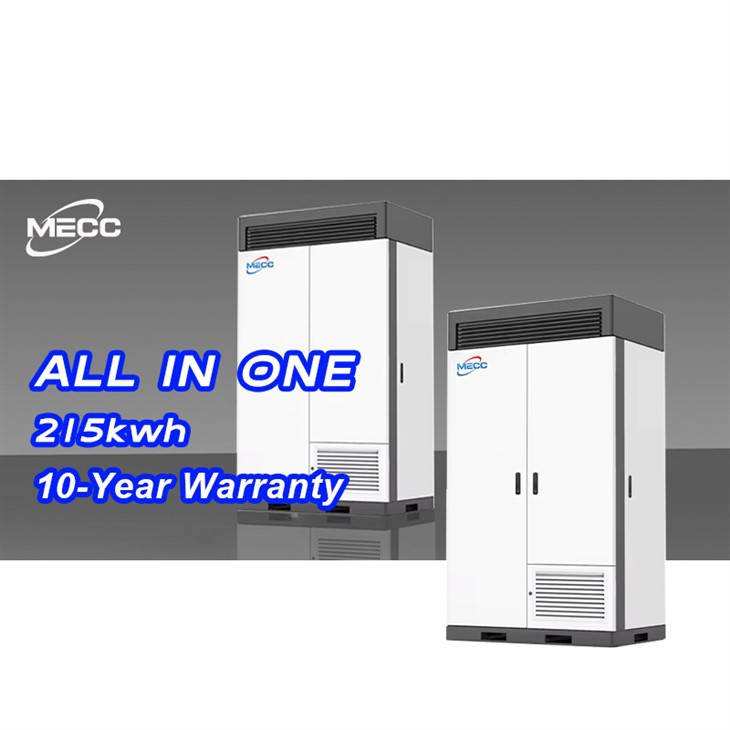


It is a high-capacity power storage unit with a long lifespan. The batteries used are engineered with durability in mind, capable of withstanding thousands of charge-discharge cycles. This makes it suitable for applications where continuous and reliable power supply is non-negotiable, such as hospitals, emergency shelters, and critical infrastructure. In a hospital, it can keep life-saving equipment running during power outages, ensuring patient safety. In an emergency shelter, it provides the necessary power for lighting, heating, and communication. It's a dependable investment that stands the test of time, safeguarding lives and operations when the grid fails.
It is built with a regenerative braking energy recovery technology. The production process integrates a power electronics module that can capture the kinetic energy during braking and convert it into electrical energy to charge the battery. This module is designed with high-power capacitors and rectifiers that can handle the rapid energy transfer. The control circuitry is programmed to detect the braking signal and activate the energy recovery process. The regenerative braking technology not only extends the vehicle's range (if used in an electric vehicle context) but also improves overall energy efficiency.
It has a role in airport operations. It can provide backup power for terminal lighting, baggage handling systems, and communication equipment. In emergency situations, it ensures the safety and functionality of the airport. It also stores energy from renewable sources on airport rooftops or in nearby areas, contributing to the airport's sustainability goals and reducing its carbon footprint.
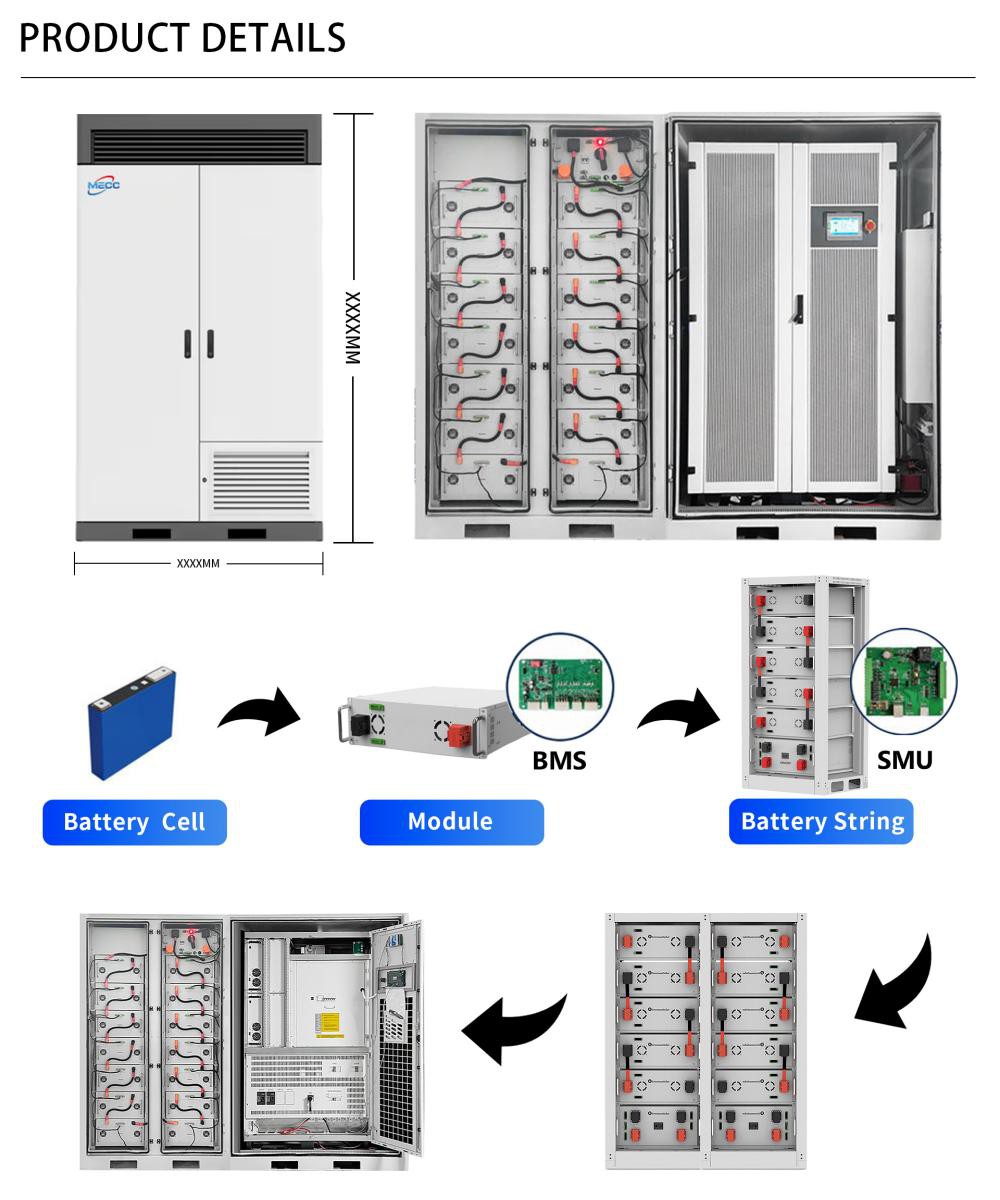
|
BATTERY CELL |
|||
|
RATED VOLTAGE |
3.2V |
||
|
CAPACITY |
280AH |
||
|
BATTERY SYSTEM 1P224S |
|||
|
RATED VOLTAGE |
716.8V |
||
|
NOMINAL CAPACITY |
280AH |
||
|
RATED CURRENT |
140A |
||
|
BATTERY POWER |
215KWH |
||
|
MAX EFFICIENCY |
≥95% |
||
|
COOLING |
FORCED AIR |
||
|
WORKING TEMPERATURE |
-20°C-60°C |
||
|
PROTECTION DEGREE |
IP54 |
||
|
CERTIFICATES |
CE, UN38.3,UL,ROHS, EMC, REACH |
||



FAQ
What is the cost of replacement parts?
The cost of replacement parts varies depending on the specific component. Battery modules, which are often a key part that may need replacing over time, typically range from $100 to $500 each, depending on the capacity and technology. For instance, a standard mid-range capacity battery module might be around $300. Control boards, which manage the overall operation and communication of the device, can cost between $50 and $200. Connectors and cables, which are essential for interfacing with other devices and power sources, usually range from $10 to $50 per set. It's important to note that these prices are approximate and can change based on market conditions, supplier agreements, and any upgrades or improvements made to the parts. Additionally, we always recommend using genuine replacement parts to ensure optimal performance and compatibility, and our customer service team can provide detailed cost estimates and assistance when needed.
Hot Tags: 280ah energy container commercial, China 280ah energy container commercial manufacturers, suppliers, 48V Solar Energy Storage System, lithium ion batteries for pv systems, battery energy storage system upsc, battery storage pv system, household energy storage system, solar and battery system


